Kitchen Wall Demolition in Bergen County, NJ
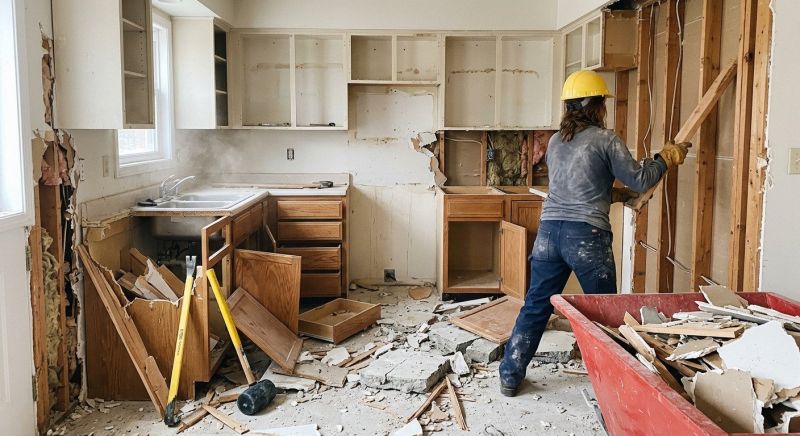
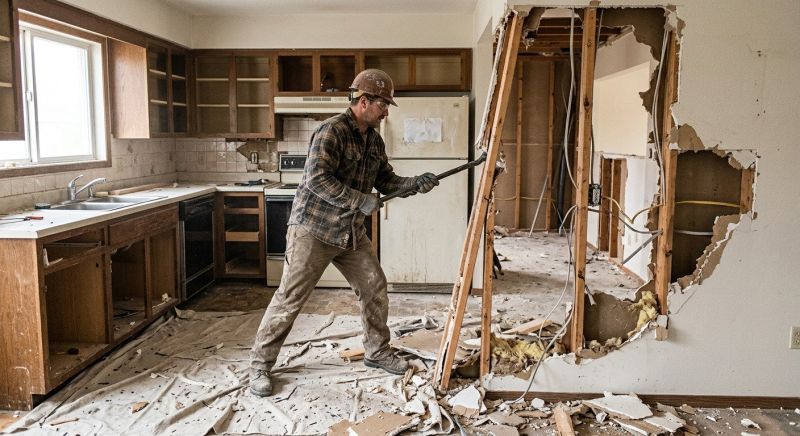
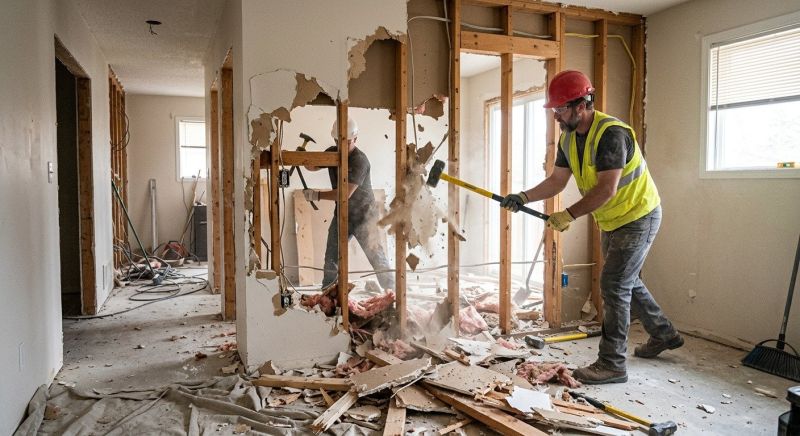
Kitchen wall demolition services involve removing existing walls or partitions within a kitchen space to create an open layout or prepare for renovation projects. This process typically includes carefully taking down non-load-bearing walls, removing drywall, and managing debris, all while ensuring the surrounding areas are protected. Property owners often request this service when they want to expand their kitchen, improve natural light flow, or update the overall design of the space, making it more functional and visually appealing.
Before requesting kitchen wall demolition, homeowners should understand whether the wall is load-bearing or non-load-bearing, as this impacts the scope and complexity of the work. It’s also important to consider any necessary permits, potential structural reinforcements, and how the demolition will affect existing electrical or plumbing systems. Clear communication about project goals and a thorough assessment of the space can help ensure the demolition process aligns with the desired outcome.
Many property owners in Bergen County, NJ look into Kitchen Wall Demolition for repairs, replacements, upgrades, and appearance-related improvements.
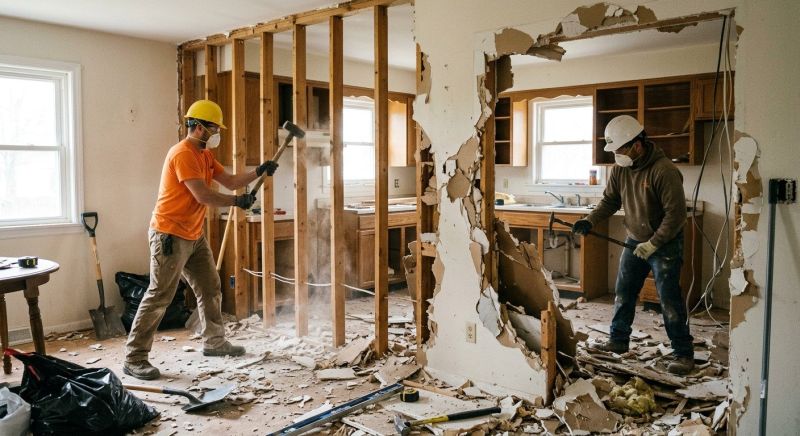
Kitchen Wall Removal
Creating open-concept layouts by removing unwanted or structural walls.
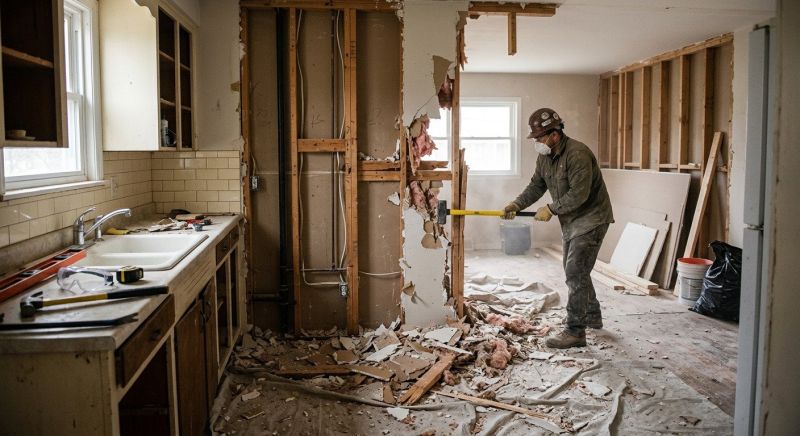
Demolition Preparation
Safely breaking down kitchen walls to prepare for renovations or remodeling projects.
Structural Demolition Services
Expert handling of load-bearing and non-load-bearing wall removal in bergen county homes.
Kitchen Wall Demolition in Bergen County, NJ
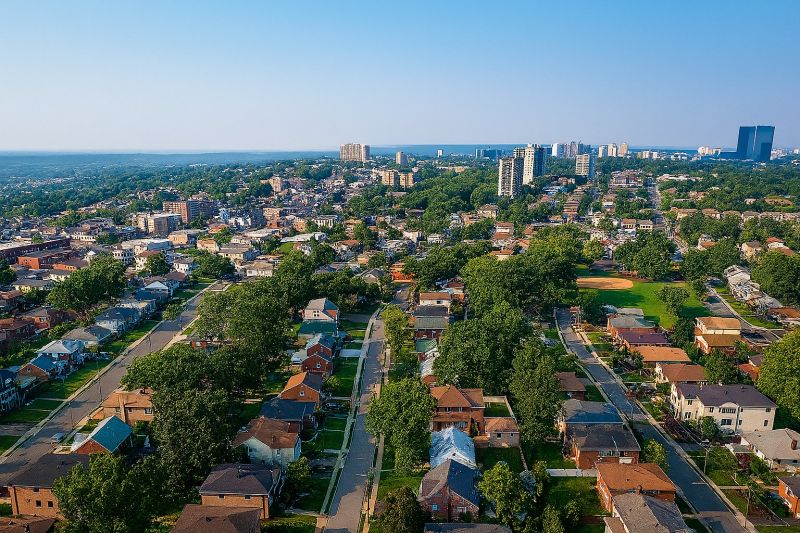
Kitchen wall demolition services involve removing existing walls or partitions within a kitchen space to create an open layout or prepare for renovation projects. This process typically includes carefully taking down non-load-bearing walls, removing drywall, and managing debris, all while ensuring the surrounding areas are protected. Property owners often request this service when they want to expand their kitchen, improve natural light flow, or update the overall design of the space, making it more functional and visually appealing.
Before requesting kitchen wall demolition, homeowners should understand whether the wall is load-bearing or non-load-bearing, as this impacts the scope and complexity of the work. It’s also important to consider any necessary permits, potential structural reinforcements, and how the demolition will affect existing electrical or plumbing systems. Clear communication about project goals and a thorough assessment of the space can help ensure the demolition process aligns with the desired outcome.
Many property owners in Bergen County, NJ look into Kitchen Wall Demolition for repairs, replacements, upgrades, and appearance-related improvements.
Common Kitchen Wall Demolition Jobs
Kitchen Wall Demolition - Removes existing walls to create open-concept kitchen layouts.
Interior Wall Removal - Eliminates non-load-bearing walls to improve space flow.
Partial Wall Demolition - Demolishes sections of walls for targeted redesigns.
Cabinet and Countertop Removal - Prepares the area for new kitchen installations.
Backsplash and Tile Demolition - Clears old finishes to update kitchen aesthetics.
Preparation for Renovation - Creates a clean, ready space for subsequent remodeling work.
Kitchen Wall Demolition Questions
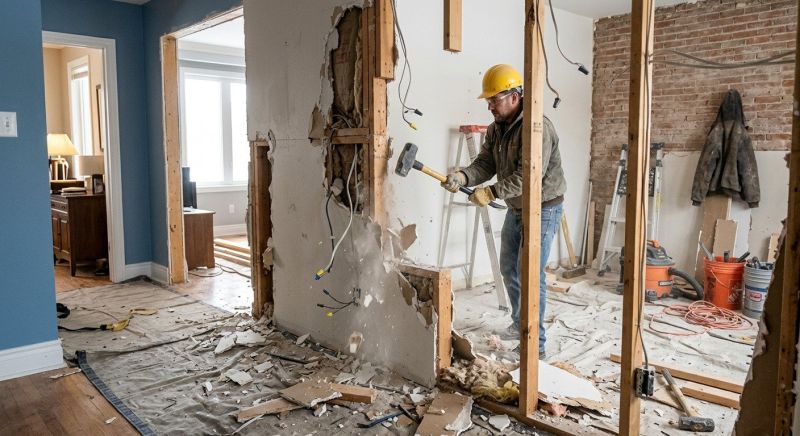
What types of kitchen walls can be demolished? Interior non-load-bearing walls and certain decorative features can typically be removed to open up space or reconfigure layouts.
Is wall demolition safe for my kitchen? Proper planning and execution ensure that structural elements are preserved, minimizing risks during demolition.
What should be prepared before demolition begins? Clear the area of furniture and fixtures, and discuss any concerns about plumbing or electrical systems with a contractor.
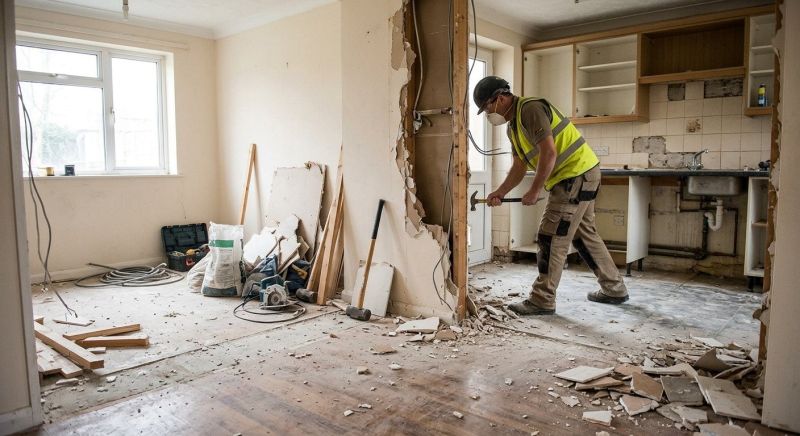
Will demolition cause dust or debris? Yes, some dust and debris are common, but proper containment and cleanup methods help manage the mess.
Request Kitchen Wall Demolition in Bergen County, NJ
Use the quote form on this page to share the basics of your project and request more information for the type of work you need.